

맥페란정 효능·효과
(성인)
(1~18세 소아)
광고
맥페란정 복용법 (용법·용량)
(경구)
연령
체중
1회투여량
투여빈도
1-3세
10-14kg
1mg
일일 3회까지
3-5세
15-19kg
2mg
일일 3회까지
5-9세
20-29kg
2.5mg
일일 3회까지
9-18세
30-60kg
5mg
일일 3회까지
15-18세
60kg 초과
10mg
일일 3회까지
맥페란정 부작용·주의사항
전체 10개 항목 펼치기/접기
1. 경고
2. 다음 환자에는 투여하지 말 것
3. 다음 환자에는 신중히 투여할 것
4. 이상반응
기관
빈도
이상반응
혈액 및 림프계 장애
알 수 없음
특히 신생아에서 NADH 시토크롬 b5 환원제와 관련될 수 있는 메트헤모글로빈혈증
주로 황을 방출하는 약물을 고용량으로 병용투여했을 때, 황혈색소혈증
심장 장애
흔하지 않게
특히 정맥투여했을 때, 서맥
알 수 없음
주사제 투여 후 짧게 발생하며, 그 다음에 서맥이 발생할 수 있는 심장정지;
특히 정맥주사 투여시 방실차단, 동정지;
심전도 QT 연장; 다형성 심실 빈맥(Torsade de Pointes)
내분비계 장애*
흔하지 않게
무월경, 고프로락틴혈증
드물게
젖분비과다
알 수 없음
여성형유방증
위장관계 장애
흔하게
설사
일반적 장애 및 투여부위 상태
흔하게
무력증
면역계 장애
흔하지 않게
과민증
알 수 없음
아나필락시스 반응(특히 정맥주사 투여시 아나필락시스 쇼크 포함)
신경계 장애
매우 흔하게
졸림
흔하게
추체외로장애 (특히 어린이, 젊은 성인 및/또는 권장용량 초과 투여, 비록 단회투여 이후일지라도), 파킨슨증, 좌불안석
흔하지 않게
근긴장이상, 이상운동, 의식저하
드물게
특히 간장애 환자에서 발작
알 수 없음
특히 노인환자에서 치료 연장 후 또는 치료 중 영구적일 수 있는 지연성이상운동증, 신경이완 악성 증후군
정신계 장애
흔하게
우울증
흔하지 않게
환각
드물게
혼란상태
혈관계 장애
흔하게
특히 정맥주사 투여시 저혈압
알 수 없음
크롬친화세포종 환자에서 급성 고혈압, 주사제 투여 후 쇼크, 실신
5. 일반적 주의
6. 상호작용
7. 임부 및 수유부에 대한 투여
8. 고령자에 대한 투여
9. 과량투여시의 처치
10. 기타
맥페란정 성분·함량
1정(94.0mg) 중 기준
| 성분 | 영문 | 분량 |
|---|---|---|
| 메토클로프라미드 | Metoclopramide | 3.84 밀리그램 |
맥페란정 낱알 모양 (식별 표시)
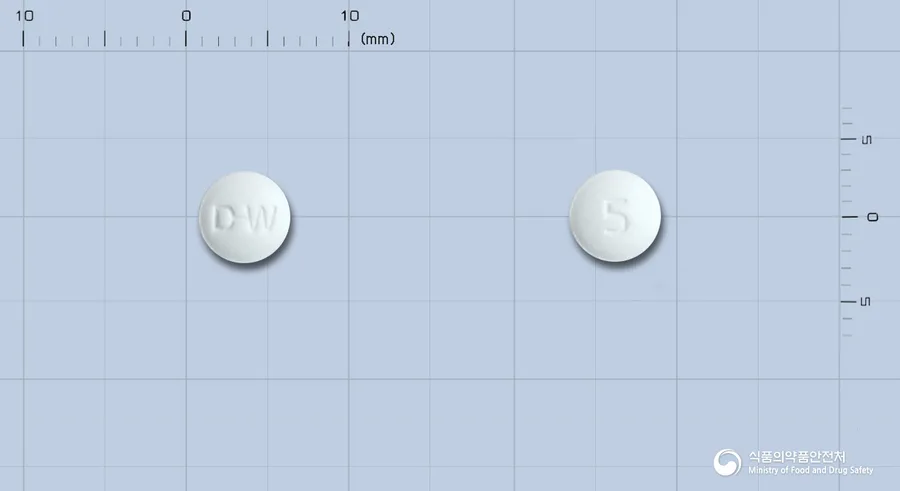
- 모양
- 원형 · 필름코팅정
- 색
- 하양
- 표시(앞/뒤)
- D-W / 5
- 크기
- 6 × 6 mm, 두께 2.8mm
병용금기 — 함께 쓰면 안 되는 성분 (2)
이 약의 성분과 같이 처방·복용하면 안 되는 성분입니다(식약처 DUR 병용금기). 해당 성분이 든 약을 먹고 있다면 의사·약사에게 알리세요.
📍 맥페란정 살 수 있는 내 주변 약국
전문의약품은 의사 처방전이 있어야 약국에서 받을 수 있습니다. 재고는 약국에 전화로 확인하세요.
🗺️ 지도에서 찾기🌐 해외(미국) 정보 — 메토클로프라미드
미국 FDA·NLM 자료 · 2026-10-03 기준이 성분은 한국어 번역이 없습니다(검수 전 자동 번역 게시는 멈춰 두었습니다). 아래는 미국 FDA 원문입니다 — 원문 라벨(DailyMed).
미국에서 쓰이는 곳(적응증)
영어 원문 (미국 FDA 라벨)
The use of Metoclopramide Oral Solution is recommended for adults only. Therapy should not exceed 12 weeks in duration. Symptomatic Gastroesophageal Reflux Metoclopramide Oral Solution is indicated as short-term (4 to 12 weeks) therapy for adults with symptomatic, documented gastroesophageal reflux who fail to respond to conventional therapy. The principal effect of metoclopramide is on symptoms of post-prandial and daytime heartburn with less observed effect on nocturnal symptoms. If symptoms are confined to particular situations, such as following the evening meal, use of metoclopramide as single doses prior to the provocative situation should be considered, rather than using the drug throughout the day. Healing of esophageal ulcers and erosions has been endoscopically demonstrated at the end of 12-week trial using doses of 15 mg 4 times daily. As there is no documented correlation between symptoms and healing of esophageal lesions, patients with documented lesions should be monitored endoscopically. Diabetic Gastroparesis (Diabetic Gastric Stasis) Metoclopramide is indicated for the relief of symptoms associated with acute and recurrent diabetic gastric stasis. The usual manifestations of delayed gastric emptying (e.g., nausea, vomiting, heartburn, persistent fullness after meals, and anorexia) appear to respond to metoclopramide within different time intervals. Significant relief of nausea occurs early and continues to improve over a three-week period. Relief of vomiting …
⚠️ 박스 경고(가장 강한 경고)
영어 원문 (미국 FDA 라벨)
WARNING: TARDIVE DYSKINESIA Treatment with metoclopramide can cause tardive dyskinesia, a serious movement disorder that is often irreversible. The risk of developing tardive dyskinesia increases with duration of treatment and total cumulative dose. Metoclopramide therapy should be discontinued in patients who develop signs or symptoms of tardive dyskinesia. There is no known treatment for tardive dyskinesia. In some patients, symptoms may lessen or resolve after metoclopramide treatment is stopped. Treatment with metoclopramide for longer than 12 weeks should be avoided in all but rare cases where therapeutic benefit is thought to outweigh the risk of developing tardive dyskinesia. See WARNINGS
쓰면 안 되는 경우
영어 원문 (미국 FDA 라벨)
Metoclopramide should not be used whenever stimulation of gastrointestinal motility might be dangerous, e.g., in the presence of gastrointestinal hemorrhage, mechanical obstruction, or perforation. Metoclopramide is contraindicated in patients with pheochromocytoma because the drug may cause a hypertensive crisis, probably due to release of catecholamines from the tumor. Such hypertensive crises may be controlled by phentolamine. Metoclopramide is contraindicated in patients with known sensitivity or intolerance to the drug. Metoclopramide should not be used in epileptics or patients receiving other drugs which are likely to cause extrapyramidal reactions, since the frequency and severity of seizures or extrapyramidal reactions may be increased.
주요 경고·주의
영어 원문 (미국 FDA 라벨)
Mental depression has occurred in patients with and without prior history of depression. Symptoms have ranged from mild to severe and have included suicidal ideation and suicide. Metoclopramide should be given to patients with a prior history of depression only if the expected benefits outweigh the potential risks. Extrapyramidal symptoms, manifested primarily as acute dystonic reactions, occur in approximately 1 in 500 patients treated with the usual adult dosages of 30 to 40 mg/day of metoclopramide. These usually are seen during the first 24 to 48 hours of treatment with metoclopramide, occur more frequently in pediatric patients and adult patients less than 30 years of age and are even more frequent at the higher doses. These symptoms may include involuntary movements of limbs and facial grimacing, torticollis, oculogyric crisis, rhythmic protrusion of tongue, bulbar type of speech, trismus, or dystonic reactions resembling tetanus. Rarely, dystonic reactions may present as stridor and dyspnea, possibly due to laryngospasm. If these symptoms should occur, inject 50 mg diphenhydramine hydrochloride intramuscularly, and they usually will subside. Benztropine mesylate, 1 to 2 mg intramuscularly, may also be used to reverse these reactions. Parkinsonian-like symptoms have occurred, more commonly within the first 6 months after beginning treatment with metoclopramide, but occasionally after longer periods. These symptoms generally subside within 2 to 3 months following …
미국 부작용 보고(FAERS)에 많이 나온 증상
미국 FDA에 접수된 이 성분 관련 보고 76,711건 가운데 많이 적힌 증상입니다. 보고 수는 약 때문이라는 증거가 아니며, 많이 쓰는 약일수록 많아집니다. 증상 이름의 한국어는 AI 번역(참고용)이라 영어 원어를 함께 적었습니다.
- 1 TARDIVE DYSKINESIA16,218
- 2 EXTRAPYRAMIDAL DISORDER12,921
- 3 NERVOUS SYSTEM DISORDER7,526
- 4 DYSTONIA7,115
- 5 오심nausea6,492
- 6 통증pain5,970
- 7 구토vomiting4,944
- 8 불안anxiety4,097
- 9 설사diarrhoea4,094
- 10 ECONOMIC PROBLEM3,961
- 11 INCORRECT DRUG ADMINISTRATION DURATION3,710
- 12 피로fatigue3,531
미국 리콜 기록
FDA 리콜(회수) 기록 6건 중 최근 5건 — 특정 회사·제조번호 제품의 회수로, 국내 제품과는 관계없을 수 있습니다.
- 2025.07.02 · 2등급 · Teva Pharmaceuticals USA, Inc Presence of foreign tablets/capsules.
- 2021.08.25 · 2등급 · Teva Pharmaceuticals USA Lack of Assurance of Sterility
- 2021.05.26 · 2등급 · Teva Pharmaceuticals USA Lack of Assurance of Sterility
- 2021.03.10 · 2등급 · Teva Pharmaceuticals USA Chemical contamination; Unknown brown residue adhering to the inside of one vial.
- 2021.03.03 · 2등급 · Teva Pharmaceuticals USA Lack of Assurance of Sterility: manufacturing areas for the recalled products exceeded acceptance levels for microbial recovery leading to a lack of sterility assurance for these sterile injectable products.
출처: 미국 FDA openFDA(라벨·FAERS·리콜), 미국 국립의학도서관 RxNorm · DailyMed 원문 라벨. 한국어는 오픈드럭 서버 AI(gemma)가 자동 번역한 참고용(사람 검수 전)으로 오역이 있을 수 있으니 반드시 원문을 확인하세요.
허가 정보
- 품목기준코드
- 197200484
- 허가 구분
- 신고 · 완제의약품
- 상태
- 정상
- 저장 방법
- 기밀용기, 실온보관
- 사용 기간
- 제조일로부터 36 개월
- 포장 단위
- 100정/병, 1000정/병
- ATC 코드
- A03FA01
- 보험 코드
- 642701320
- 표준코드
- 8806427013201, 8806427013218, 8806427013225, 8806427013232
- 최근 변경
- 2014.01.03
허가 변경 이력
- · 용법용량변경, 2014-01-03
- · 사용상주의사항변경(부작용포함), 2013-11-22
- · 용법용량변경, 2013-11-22
- · 효능효과변경, 2013-11-22
- · 사용상주의사항변경(부작용포함), 2013-05-26
- · 성상변경, 2012-06-25
- · 사용상주의사항변경(부작용포함), 2009-11-07
- · 사용상주의사항변경(부작용포함), 2009-04-11
- · 사용상주의사항변경(부작용포함), 1999-01-19
- · 사용상주의사항변경(부작용포함), 1995-12-13
- · 사용상주의사항변경(부작용포함), 1995-07-03
- · 용법용량변경, 1995-07-03
- · 효능효과변경, 1995-07-03
- · 사용상주의사항변경(부작용포함), 1992-09-23
- · 사용상주의사항변경(부작용포함), 1991-01-14
- · 용법용량변경, 1991-01-14
- · 사용상주의사항변경(부작용포함), 1990-10-31
- · 사용상주의사항변경(부작용포함), 1990-09-20
- · 사용상주의사항변경(부작용포함), 1990-05-09
- · 사용상주의사항변경(부작용포함), 1988-01-29
- · 저장방법 및 유효기간(사용기간)변경, 1986-01-25
- · 사용상주의사항변경(부작용포함), 1978-06-20
- · 용법용량변경, 1978-06-20
- · 효능효과변경, 1978-06-20
- · 제품명칭변경, 1978-06-20
- · 저장방법 및 유효기간(사용기간)변경, 1976-01-25
원문: 식약처 의약품안전나라