

미드론정 효능·효과
광고
미드론정 복용법 (용법·용량)
미드론정 부작용·주의사항
전체 9개 항목 펼치기/접기
1. 다음 환자에는 투여하지 말 것.
2. 다음 환자에는 신중히 투여할 것.
3. 부작용
4. 일반적 주의
5. 상호작용
6. 임부 및 수유부 대한 투여
7. 고령자에 대한 투여
8. 과량투여시의 처치
9. 기타
미드론정 성분·함량
1정 (130밀리그램) 중 기준
| 성분 | 영문 | 분량 |
|---|---|---|
| 미도드린염산염 | Midodrine Hydrochloride | 2.5 밀리그램 |
미드론정 낱알 모양 (식별 표시)
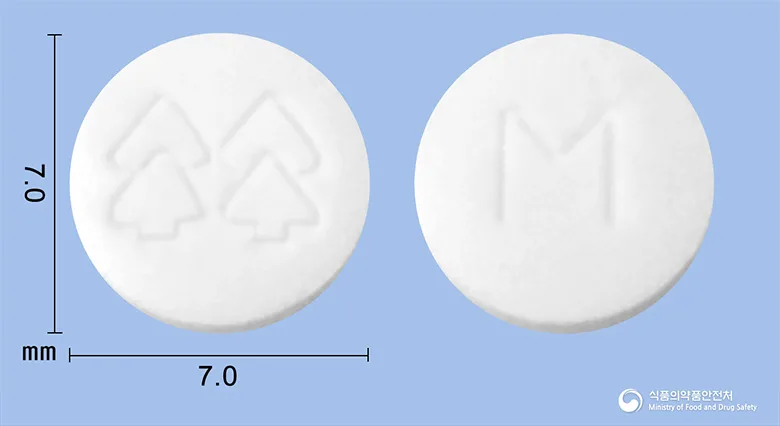
- 모양
- 원형 · 나정
- 색
- 하양
- 표시(앞/뒤)
- 마크 / M
- 마크

- 크기
- 7 × 7 mm, 두께 3mm
📍 미드론정 살 수 있는 내 주변 약국
전문의약품은 의사 처방전이 있어야 약국에서 받을 수 있습니다. 재고는 약국에 전화로 확인하세요.
🗺️ 지도에서 찾기🌐 해외(미국) 정보 — 미도드린염산염
미국 FDA·NLM 자료 · 2026-10-07 기준이 성분은 한국어 번역이 없습니다(검수 전 자동 번역 게시는 멈춰 두었습니다). 아래는 미국 FDA 원문입니다 — 원문 라벨(DailyMed).
미국에서 쓰이는 곳(적응증)
영어 원문 (미국 FDA 라벨)
Midodrine hydrochloride is indicated for the treatment of symptomatic orthostatic hypotension (OH). Because midodrine hydrochloride can cause marked elevation of supine blood pressure (BP>200 mmHg systolic), it should be used in patients whose lives are considerably impaired despite standard clinical care, including non-pharmacologic treatment (such as support stockings), fluid expansion, and lifestyle alterations. The indication is based on midodrine hydrochloride's effect on increases in 1-minute standing systolic blood pressure, a surrogate marker considered likely to correspond to a clinical benefit. At present, however, clinical benefits of midodrine hydrochloride, principally improved ability to perform life activities, have not been established. Further clinical trials are underway to verify and describe the clinical benefits of midodrine hydrochloride. After initiation of treatment, midodrine hydrochloride should be continued only for patients who report significant symptomatic improvement.
⚠️ 박스 경고(가장 강한 경고)
영어 원문 (미국 FDA 라벨)
WARNING: Because midodrine hydrochloride can cause marked elevation of supine blood pressure, it should be used in patients whose lives are considerably impaired despite standard clinical care. The indication for use of midodrine hydrochloride in the treatment of symptomatic orthostatic hypotension is based primarily on a change in a surrogate marker of effectiveness, an increase in systolic blood pressure measured one minute after standing, a surrogate marker considered likely to correspond to a clinical benefit. At present, however, clinical benefits of midodrine hydrochloride, principally improved ability to carry out activities of daily living, have not been verified.
쓰면 안 되는 경우
영어 원문 (미국 FDA 라벨)
Midodrine hydrochloride is contraindicated in patients with severe organic heart disease, acute renal disease, urinary retention, pheochromocytoma or thyrotoxicosis. Midodrine hydrochloride should not be used in patients with persistent and excessive supine hypertension.
주요 경고·주의
영어 원문 (미국 FDA 라벨)
Supine Hypertension: The most potentially serious adverse reaction associated with midodrine hydrochloride therapy is marked elevation of supine arterial blood pressure (supine hypertension). Systolic pressure of about 200 mmHg were seen overall in about 13.4% of patients given 10 mg of midodrine hydrochloride. Systolic elevations of this degree were most likely to be observed in patients with relatively elevated pre-treatment systolic blood pressures (mean 170 mmHg). There is no experience in patients with initial supine systolic pressure above 180 mmHg, as those patients were excluded from the clinical trials. Use of midodrine hydrochloride in such patients is not recommended. Sitting blood pressures were also elevated by midodrine hydrochloride therapy. It is essential to monitor supine and sitting blood pressures in patients maintained on midodrine hydrochloride. Uncontrolled hypertension increases the risk of cardiovascular events, particularly stroke.
임신·특수 환자
영어 원문 (미국 FDA 라벨)
Pregnancy: Pregnancy Category C . Midodrine hydrochloride increased the rate of embryo resorption, reduced fetal body weight in rats and rabbits, and decreased fetal survival in rabbits when given in doses 13 (rat) and 7 (rabbit) times the maximum human dose based on body surface area (mg/m 2 ). There are no adequate and well-controlled studies in pregnant women. Midodrine hydrochloride should be used during pregnancy only if the potential benefit justifies the potential risk to the fetus. No teratogenic effects have been observed in studies in rats and rabbits.
미국 부작용 보고(FAERS)에 많이 나온 증상
미국 FDA에 접수된 이 성분 관련 보고 4,210건 가운데 많이 적힌 증상입니다. 보고 수는 약 때문이라는 증거가 아니며, 많이 쓰는 약일수록 많아집니다. 증상 이름의 한국어는 AI 번역(참고용)이라 영어 원어를 함께 적었습니다.
- 1 저혈압hypotension375
- 2 오심nausea372
- 3 두통headache358
- 4 호흡 곤란dyspnoea357
- 5 사망death335
- 6 설사diarrhoea327
- 7 피로fatigue308
- 8 어지러움dizziness301
- 9 낙상fall293
- 10 구토vomiting208
- 11 기침cough201
- 12 약효 없음drug ineffective198
미국 리콜 기록
FDA 리콜(회수) 기록 1건 중 최근 1건 — 특정 회사·제조번호 제품의 회수로, 국내 제품과는 관계없을 수 있습니다.
- 2026.03.11 · 2등급 · The Harvard Drug Group LLC Defective container; inadequately sealed blister packaging.
출처: 미국 FDA openFDA(라벨·FAERS·리콜), 미국 국립의학도서관 RxNorm · DailyMed 원문 라벨. 한국어는 오픈드럭 서버 AI(gemma)가 자동 번역한 참고용(사람 검수 전)으로 오역이 있을 수 있으니 반드시 원문을 확인하세요.
허가 정보
- 품목기준코드
- 199302799
- 허가 구분
- 신고 · 완제의약품
- 상태
- 정상
- 저장 방법
- 기밀용기, 실온보관
- 사용 기간
- 제조일로부터 36 개월
- 포장 단위
- 100정/병
- ATC 코드
- C01CA17
- 보험 코드
- 649801760
- 표준코드
- 8806498017603, 8806498017610, 8806498017627, 8806498017634
- 최근 변경
- 2016.03.12
허가 변경 이력
- · 용법용량변경, 2016-03-12
- · 제품명칭변경, 2013-03-21
- · 사용상주의사항변경(부작용포함), 1997-04-25
- · 사용상주의사항변경(부작용포함), 1997-03-25
- · 효능효과변경, 1997-02-15
- · 효능효과변경, 1996-01-01
- · 용법용량변경, 1996-01-01
- · 사용상주의사항변경(부작용포함), 1996-01-01
원문: 식약처 의약품안전나라