

라모진정25mg 효능·효과
1. 뇌전증
광고
라모진정25mg 복용법 (용법·용량)
제1·2주
제3·4주
유지용량
단독요법
25 mg
(1일 1회)
50 mg
(1일 1회)
100∼200 mg(1일 1회 또는 1일 2회 분할투여)
유지용량에 도달할 때까지 1∼2주마다 최대 50∼100 mg씩 증량
제1·2주
제3·4주
유지용량
발프로에이트를 투여받지 않으며, 글루쿠론산 포합 유도제를 투여중인 환자*
50 mg
(1일 1회)
100 mg
(2회로 분할)
200∼400 mg(2회로 분할)
유지용량에 도달할 때 까지 1~2주마다 최대 100 mg씩 증량
다른 병용 약물 여부와 관계없이 발프로에이트를 투여중인 환자
12.5 mg
(25 mg을 2일 1회 투여)
25 mg
(1일 1회)
100∼200 mg(1일 1회, 혹은 2회로 분할투여)
유지용량에 도달할 때 까지 1~2주마다 최대 25~50 mg씩 증량
제1·2주
제3·4주
유지용량
발프로에이트를 투여받지 않으며, 글루쿠론산 포합 유도제를 투여중인 환자*
0.6 mg/kg/일
(1일 2회 분할투여)
1.2 mg/kg/일
(1일 2회 분할투여)
5∼15 mg/kg/일(1일 2회 분할투여)의 유지용량이 되도록 1~2주마다 최대 1.2 mg/kg/일을 증량, 최대 400 mg/일
다른 병용 약물 여부와 관계없이 발프로에이트를 투여중인 환자
0.15 mg/kg/일**
(1일 1회 투여)
0.3 mg/kg/일
(1일 1회 투여)
1∼5 mg/kg/일(1일 1회 투여 또는 1일 2회 분할투여)의 유지용량이 되도록 1~2주마다 최대 0.3 mg/kg/일을 증량. 최대 200 mg/일
제1·2주
제3·4주
제5주
목표 안정화용량 (6주)**
글루쿠론산 포합 억제제(예 : 발프로에이트)를 투여중인 환자
12.5 mg
(격일로
25 mg 투여)
25 mg
(1일 1회 투여)
50 mg
(1일 1회, 혹은 2회로 분할투여)
100 mg
(1일 1회, 혹은
2회로 분할투여)(1일 최대 용량: 200 mg)
발프로에이트와 같은 억제제를 투여 하지 않으며 글루쿠론산 포합 유도제(예 : 카르바마제핀, 페노바르비탈)를 투여중인 환자
50 mg
(1일 1회 투여)
100 mg
(1일 2회 분할투여)
200 mg
(1일 2회 분할투여)
6주째 300 mg,
필요시 7주째에 400 mg까지 증량할 수 있다.(1일 2회 분할투여)
라모트리진 글루쿠론산 포합을 유의하게 억제 또는 유도하지 않는 다른 약물(예: 리튬, 부프로피온)을 투여중이거나 라모트리진을 단독 투여하는 환자
25 mg
(1일 1회 투여)
50 mg
(1일 1회, 혹은
2회로 분할투여)
100 mg
(1일 1회, 혹은
2회로 분할투여)
200 mg
(1일 1회, 혹은
2회로 분할투여)
제1주
제2주
제3주 이후*
글루쿠론산 포합 억제제(예 : 발프로에이트)의 투여중지 후
안정화 용량의 2배 투여. 단 용량 증량이 100 mg/주를 초과하지 않아야 함.
즉 목표 안정화용량이 100 mg/일인 경우 제 1주째에는 200 mg/일 투여.
1주째의 용량을 유지(200 mg/일)
(1일 1회, 혹은 2회로 분할 투여)
글루쿠론산 포합 유도제(예 : 카르바마제핀)의 투여중지 후: 기존 유지 용량에 따라 용량선택투여
400 mg
300 mg
200 mg
300 mg
225 mg
150 mg
200 mg
150 mg
100 mg
라모트리진 글루쿠론산 포합을 유의하게 억제 또는 유도하지 않는 약물(예 : 리튬, 부프로피온)의 투여중지 후
용량 증량을 통해 도달된 목표 유지용량을 유지(200 mg/일) (2회 분할투여)
현재의 라모트리진 안정화 용량(mg/일)
제1주
제2주
제3주 이후
글루쿠론산 포합 억제제(예 : 발프로에이트)의 부가요법시 라모트리진의 기존 투여량에 따라 용량 선택투여
200 mg
100 mg*
이 용량을 유지(100 mg/일)*
300 mg
150 mg*
이 용량을 유지(150 mg/일)*
400 mg
200 mg*
이 용량을 유지(200 mg/일)*
발프로에이트를 투여하지 않는 환자에서 글루쿠론산 포합 유도제(예 : 카르바마제핀)의 부가요법시 기존 투여량에 따라 용량선택투여
200 mg
200 mg**
300 mg**
400 mg**
150 mg
150 mg**
225 mg**
300 mg**
100 mg
100 mg**
150 mg**
200 mg**
라모트리진 글루쿠론산 포합을 유의하게 억제 또는 유도하지 않는 약물(예 : 리튬, 부프로피온)의 부가요법
용량 증량을 통해 도달된 목표 유지용량(200 mg/일)*
라모진정25mg 부작용·주의사항
전체 12개 항목 펼치기/접기
1. 경고
2. 다음 환자에는 투여하지 말 것.
3. 다음의 환자에는 신중히 투여할 것
4. 이상반응
임상시험에서 나타난 유해사례
부가요법 임상시험(%)1
단독요법 임상시험(%)2
유해사례
라모트리진
(n=242)
위약
(n=233)
라모트리진
(n=443)
카르바마제핀
(n=246)
페니토인
(n=95)
복시
21
8
<1
3
2
어지러움
19
12
8
14
12
운동실조
19
5
<1
6
12
두통
17
14
20
17
19
무력증
16
18
16
24
29
구역
16
7
10
10
4
졸음
10
9
8
20
28
구토
9
3
4
4
1
호흡기 장애
7
7
<1
1
1
발진
6
5
12
14
9
통증
6
4
2
2
5
인두염
3
<1
5
4
2
독감 증후군
<1
<1
5
4
3
불면증
4
<1
6
2
3
월경 장애
1
<1
1
5
-
진전
3
2
2
<1
8
폐 장애
<1
<1
1
2
6
우울
4
3
2
5
3
기억상실
3
4
3
3
5
비정상적 사고
2
2
2
4
5
발현 부위
유해반응
빈도
소화기계
위장장애, 예를 들어 구역, 구토, 설사, 식욕부진
0.1∼1%
혈액계
일과성 백혈구감소증 또는 혈소판감소증
0.1∼1%
림프절병증
0.01% 이하
신경계
공격성, 초조, 운동실조, 혼돈, 어지러움, 졸음, 과민성, 진전, 복시, 흐린 시력, 결막염
0.1∼1%
발작의 빈도 증가, 무균 수막염
0.01% 이하
피부
발진
1% 이상
다형 홍반, 스티븐스-존슨 증후군
0.1∼1%
박탈피부염, 독성표피괴사용해(리엘증후군)
0.1% 이하
유해사례
라모트리진을 투여한 환자%
(n=227)
위약을 투여한 환자%
(n=190)
전신
피로
5
4
위장관계
구역
구강건조
설사
7
5
3
8
2
6
신경계
두통
졸음
어지러움
9
7
4
10
5
5
5. 일반적 주의
6. 상호작용
라모트리진의 글루쿠론산 포합을 유의하게 억제하는 약물
라모트리진의 글루쿠론산 포합을 유의하게 유도하는 약물
라모트리진의 글루쿠론산 포합을 유의하게 유도 또는 억제하지 않는 약물
발프로에이트
카르바마제핀
페니토인
프리미돈
페노바르비탈계
리팜피신
로피나비어/리토나비어
아타자나비어/리토나비어
에티닐에스트라디올/레보노르게스트렐 혼합제제*
리튬
부프로피온
올란자핀
옥스카르바제핀
펠바메이트
가바펜틴
레베티라세탐
프레가발린
토피라메이트
조니사마이드
아리피프라졸
라코사미드
페람파넬
7. 임부에 대한 투여
8. 수유부에 대한 투여
9. 소아에 대한 투여
10. 과량투여시의 처치
11. 보관 및 취급상의 주의사항
12. 기타
라모진정25mg 성분·함량
1정(80mg)중 기준
| 성분 | 영문 | 분량 |
|---|---|---|
| 라모트리진 | Lamotrigine | 25.0 밀리그램 |
라모진정25mg 낱알 모양 (식별 표시)
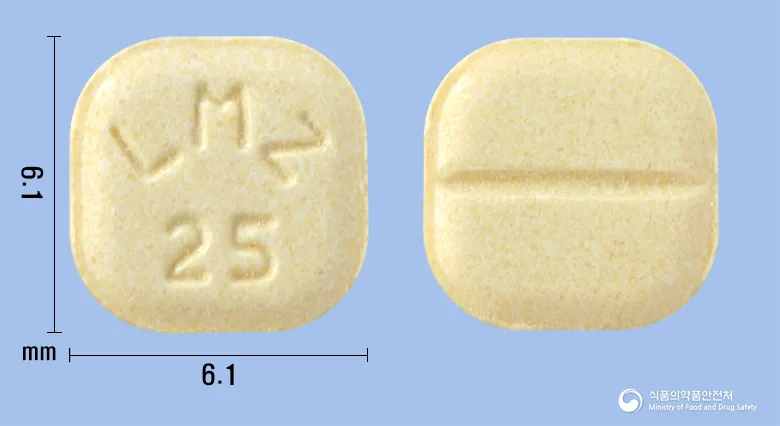
- 모양
- 사각형 · 나정
- 색
- 노랑
- 표시(앞/뒤)
- LMZ25 / 분할선
- 분할선
- - / -
- 크기
- 6.05 × 6.05 mm, 두께 2.15mm
📍 라모진정25mg 살 수 있는 내 주변 약국
전문의약품은 의사 처방전이 있어야 약국에서 받을 수 있습니다. 재고는 약국에 전화로 확인하세요.
🗺️ 지도에서 찾기🌐 해외(미국) 정보 — 라모트리진
미국 FDA·NLM 자료 · 2026-10-01 기준이 성분은 한국어 번역이 없습니다(검수 전 자동 번역 게시는 멈춰 두었습니다). 아래는 미국 FDA 원문입니다 — 원문 라벨(DailyMed).
Anti-epileptic Agent [EPC]Mood Stabilizer [EPC]
미국에서 쓰이는 곳(적응증)
영어 원문 (미국 FDA 라벨)
Lamotrigine is indicated for: Epilepsy — adjunctive therapy in patients aged 2 years and older: • partial-onset seizures. • primary generalized tonic-clonic (PGTC) seizures. • generalized seizures of Lennox-Gastaut syndrome. (1.1) Epilepsy—monotherapy in patients aged 16 years and older: Conversion to monotherapy in patients with partial-onset seizures who are receiving treatment with carbamazepine, phenytoin, phenobarbital, primidone, or valproate as the single antiepileptic drug. (1.1) Bipolar disorder: Maintenance treatment of bipolar I disorder to delay the time to occurrence of mood episodes in patients treated for acute mood episodes with standard therapy. (1.2) Limitations of Use: Treatment of acute manic or mixed episodes is not recommended. Effectiveness of lamotrigine in the acute treatment of mood episodes has not been established. 1.1 Epilepsy Adjunctive Therapy Lamotrigine is indicated as adjunctive therapy for the following seizure types in patients aged 2 years and older: • partial-onset seizures. • primary generalized tonic-clonic (PGTC) seizures. • generalized seizures of Lennox-Gastaut syndrome. Monotherapy Lamotrigine is indicated for conversion to monotherapy in adults (aged 16 years and older) with partial-onset seizures who are receiving treatment with carbamazepine, phenytoin, phenobarbital, primidone, or valproate as the single antiepileptic drug (AED). Safety and effectiveness of lamotrigine have not been established (1) as initial monotherapy; (2) …
⚠️ 박스 경고(가장 강한 경고)
영어 원문 (미국 FDA 라벨)
WARNING: SERIOUS SKIN RASHES Lamotrigine can cause serious rashes requiring hospitalization and discontinuation of treatment. The incidence of these rashes, which have included Stevens-Johnson syndrome, is approximately 0.3% to 0.8% in pediatric patients (aged 2 to 17 years) and 0.08% to 0.3% in adults receiving lamotrigine. One rash-related death was reported in a prospectively followed cohort of 1,983 pediatric patients (aged 2 to 16 years) with epilepsy taking lamotrigine as adjunctive therapy. In worldwide postmarketing experience, rare cases of toxic epidermal necrolysis and/or rash-related death have been reported in adult and pediatric patients, but their numbers are too few to permit a precise estimate of the rate. In addition to age, factors that may increase the risk of occurrence or the severity of rash caused by lamotrigine include (1) coadministration of lamotrigine with valproate (includes valproic acid and divalproex sodium), (2) exceeding the recommended initial dose of lamotrigine, or (3) exceeding the recommended dose escalation for lamotrigine, or (4) the presence of the HLA-B*1502 allele. However, cases have occurred in the absence of these factors. Nearly all cases of life-threatening rashes caused by lamotrigine have occurred within 2 to 8 weeks of treatment initiation. However, isolated cases have occurred after prolonged treatment (e.g., 6 months). Accordingly, duration of therapy cannot be relied upon as means to predict the potential risk heralded …
쓰면 안 되는 경우
영어 원문 (미국 FDA 라벨)
Lamotrigine is contraindicated in patients who have demonstrated hypersensitivity (e.g., rash, angioedema, acute urticaria, extensive pruritus, mucosal ulceration) to the drug or its ingredients [see Boxed Warning , Warnings and Precautions (5.1) , (5.3) ]. Hypersensitivity to the drug or its ingredients. (Boxed Warning , 4)
주요 경고·주의
영어 원문 (미국 FDA 라벨)
• Life-threatening serious rash and/or rash-related death: Discontinue at the first sign of rash, unless the rash is clearly not drug related. (Boxed Warning , 5.1) • Hemophagocytic lymphohistiocytosis: Consider this diagnosis and evaluate patients immediately if they develop signs or symptoms of systemic inflammation. Discontinue lamotrigine if an alternative etiology is not established. (5.2) • Fatal or life-threatening hypersensitivity reaction: Multiorgan hypersensitivity reactions, also known as drug reaction with eosinophilia and systemic symptoms, may be fatal or life threatening. Early signs may include rash, fever, and lymphadenopathy. These reactions may be associated with other organ involvement, such as hepatitis, hepatic failure, blood dyscrasias, or acute multiorgan failure. Lamotrigine should be discontinued if alternate etiology for this reaction is not found. (5.3) • Cardiac rhythm and conduction abnormalities: Based on in vitro findings, lamotrigine could cause serious arrhythmias and/or death in patients with certain underlying cardiac disorders or arrhythmias. Any expected or observed benefit of lamotrigine in an individual patient with clinically important structural or functional heart disease must be carefully weighed against the risk for serious arrythmias and/or death for that patient. (5.4) • Blood dyscrasias (e.g., neutropenia, thrombocytopenia, pancytopenia): May occur, either with or without an associated hypersensitivity syndrome. Monitor for …
임신·특수 환자
영어 원문 (미국 FDA 라벨)
8.1 Pregnancy Pregnancy Exposure Registry There is a pregnancy exposure registry that monitors pregnancy outcomes in women exposed to AEDs, including lamotrigine, during pregnancy. Encourage women who are taking lamotrigine during pregnancy to enroll in the North American Antiepileptic Drug (NAAED) Pregnancy Registry by calling 1-888-233-2334 or visiting http://www.aedpregnancyregistry.org/ . Risk Summary Data from several prospective pregnancy exposure registries and epidemiological studies of pregnant women have not detected an increased frequency of major congenital malformations or a consistent pattern of malformations among women exposed to lamotrigine compared with the general …
미국 제품명 SUBVENITE
미국 부작용 보고(FAERS)에 많이 나온 증상
미국 FDA에 접수된 이 성분 관련 보고 131,124건 가운데 많이 적힌 증상입니다. 보고 수는 약 때문이라는 증거가 아니며, 많이 쓰는 약일수록 많아집니다. 증상 이름의 한국어는 AI 번역(참고용)이라 영어 원어를 함께 적었습니다.
- 1 약효 없음drug ineffective10,267
- 2 발진rash8,641
- 3 발작seizure6,811
- 4 오심nausea6,408
- 5 피로fatigue6,184
- 6 적응증 외 사용off label use6,177
- 7 어지러움dizziness6,042
- 8 두통headache5,778
- 9 압박depression5,201
- 10 구토vomiting4,796
- 11 졸림somnolence4,510
- 12 약물 상호작용drug interaction4,472
미국 리콜 기록
FDA 리콜(회수) 기록 6건 중 최근 5건 — 특정 회사·제조번호 제품의 회수로, 국내 제품과는 관계없을 수 있습니다.
- 2022.08.17 · 3등급(경미) · AVKARE Inc. Labeling: Label Error on Declared Strength
- 2021.06.02 · 2등급 · Cardinal Health Inc. CGMP Deviations: Intermittent exposure to temperature excursion during storage.
- 2020.06.10 · 3등급(경미) · AVKARE Inc. Presence of Foreign Substance consistent with granules from desiccant packs used during storage
- 2020.02.19 · 1등급(심각) · Taro Pharmaceuticals U.S.A., Inc. Cross Contamination; Lamotrigine Tablets 100 mg USP was contaminated with enalapril maleate.
- 2018.09.26 · 2등급 · Torrent Pharma Inc. Failed Dissolution Specifications: Out of Specification for Dissolution test (Buffer Stage) at the 5-hour time point during stability testing.
출처: 미국 FDA openFDA(라벨·FAERS·리콜), 미국 국립의학도서관 RxNorm · DailyMed 원문 라벨. 한국어는 오픈드럭 서버 AI(gemma)가 자동 번역한 참고용(사람 검수 전)으로 오역이 있을 수 있으니 반드시 원문을 확인하세요.
허가 정보
- 품목기준코드
- 200901637
- 허가 구분
- 신고 · 완제의약품
- 상태
- 정상
- 저장 방법
- 기밀용기, 실온(1-30℃) 및 건소보관
- 사용 기간
- 제조일로부터 36 개월
- 포장 단위
- 30정/병, 100정/병
- ATC 코드
- N03AX09
- 표준코드
- 8806586025909, 8806586025916, 8806586025923
- 최근 변경
- 2022.04.15
허가 변경 이력
- · 사용상의 주의사항, 2022-04-15
- · 용법·용량, 2022-04-15
- · 효능·효과, 2022-04-15
- · 사용상주의사항변경(부작용포함), 2021-07-07
- · 사용상주의사항변경(부작용포함), 2020-01-02
- · 사용상주의사항변경(부작용포함), 2019-02-25
- · 용법용량변경, 2019-02-25
- · 효능효과변경, 2019-02-25
- · 사용상주의사항변경(부작용포함), 2018-04-30
- · 사용상주의사항변경(부작용포함), 2017-08-21
- · 용법용량변경, 2017-08-21
- · 사용상주의사항변경(부작용포함), 2015-07-05
- · 사용상주의사항변경(부작용포함), 2013-05-05
- · 사용상주의사항변경(부작용포함), 2012-01-28
- · 용법용량변경, 2012-01-28
- · 효능효과변경, 2012-01-28
- · 사용상주의사항변경(부작용포함), 2010-05-05
원문: 식약처 의약품안전나라
같은 성분의 다른 제품
 테바라모트리진츄어블정25밀리그램 (주)한독테바· 항전간제· 2012년 허가 전문
 테바라모트리진츄어블정100밀리그램 (주)한독테바· 항전간제· 2012년 허가 전문
 테바라모트리진츄어블정50밀리그램 (주)한독테바· 항전간제· 2012년 허가 전문
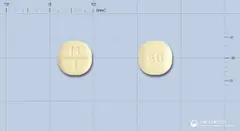 라모스탈정50밀리그램(라모트리진) 명인제약(주)· 항전간제· 2010년 허가 전문
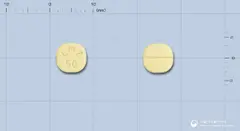 라모진정50mg(라모트리진) 이연제약(주)· 항전간제· 2009년 허가 전문
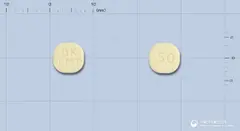 라모티진정50밀리그램(라모트리진) 부광약품(주)· 항전간제· 2008년 허가 전문
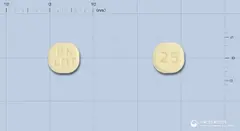 라모티진정25밀리그램
(라모트리진) 부광약품(주)· 항전간제· 2008년 허가 전문
라모티진정25밀리그램
(라모트리진) 부광약품(주)· 항전간제· 2008년 허가 전문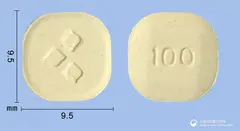 라모스탈정100밀리그램(라모트리진) 명인제약(주)· 항전간제· 2007년 허가 전문
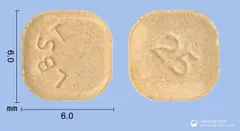 라비시틴정25밀리그램(라모트리진) 한림제약(주)· 항전간제· 2007년 허가 전문
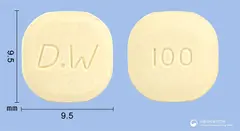 라미아트정100밀리그램(라모트리진) (주)대웅제약· 항전간제· 2007년 허가 전문
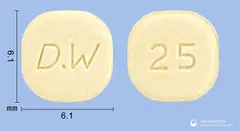 라미아트정25밀리그램(라모트리진) (주)대웅제약· 항전간제· 2007년 허가 전문
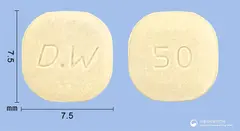 라미아트정50밀리그램(라모트리진) (주)대웅제약· 항전간제· 2007년 허가 전문