에피언트정10mg 효능·효과
광고
에피언트정10mg 복용법 (용법·용량)
∘성인
∘신장애 환자
∘간장애 환자
∘소아 및 청소년
에피언트정10mg 부작용·주의사항
전체 13개 항목 펼치기/접기
1. 경고
2. 다음 환자에는 투여하지 말 것
3. 다음 환자에는 신중히 투여할 것.
4. 이상반응
발생율
전체 관상동맥증후군
불안정성 협심증/비ST 분절 상승 심근경색
ST-분절 상승 심근경색
프라수그렐b
+아스피린
(N=6741)
클로피그렐b
+아스피린
(N=6716)
프라수그렐b
+아스피린
(N=5001)
클로피그렐b
+아스피린
(N=4980)
프라수그렐b
+아스피린
(N=1740)
클로피그렐b
+아스피린
(N=1736)
TIMI 대출혈c
2.2
1.7
2.2
1.6
2.2
2.0
⦁ 생명을 위협하는 출혈d
1.3
0.8
1.3
0.8
1.2
1.0
- 치명적
0.3
0.1
0.3
0.1
0.4
0.1
- 증상성 두개내 출혈 (ICH)e
0.3
0.3
0.3
0.3
0.2
0.2
- 수축촉진제가 요구
0.3
0.1
0.3
0.1
0.3
0.2
- 수술적 중재가 요구
0.3
0.3
0.3
0.3
0.1
0.2
- 수혈 요구(≥ 4 units)
0.7
0.5
0.6
0.3
0.8
0.8
TIMI 소출혈f
2.4
1.9
2.3
1.6
2.7
2.6
구분
프라수그렐 + 아스피린
클로피도그렐 + 아스피린
연령 ≥ 75 세
(N = 1785)
9.0 %
(치명적인 출혈 1.0 %)
6.9 %
(치명적인 출혈 0.1 %)
연령 < 75 세
(N = 11672)
3.8 %
(치명적인 출혈 0.2 %)
2.9 %
(치명적인 출혈 0.1 %)
체중 < 60 킬로그램
(N = 664)
10.1 %
(치명적인 출혈 0 %)
6.5 %
(치명적인 출혈 0.3 %)
체중 ≥ 60 킬로그램
(N = 12672)
4.2 %
(치명적인 출혈 0.3 % )
3.3 %
(치명적인 출혈 0.1 %)
발생율
프라수그렐 + 아스피린
(N = 213)
클로피도그렐 + 아스피린
(N = 224)
TIMI 대출혈
11.3 %
3.6 %
- 치명적
0.9 %
0 %
- 재수술
3.8 %
0.5 %
- 수혈 요구(≥ 5 units)
6.6 %
2.2 %
- 두개내 출혈 (ICH)
0 %
0 %
TIMI 소출혈
2.8 %
0.9 %
관상동맥조영술 전 프라수그렐 투여군a
(N=2037)
관상동맥중재술(PCI)시점 프라수그렐 투여군
(N=1996)
TIMI 대출혈b
1.3
0.5
⦁ 생명을 위협하는 출혈c
0.8
0.2
- 치명적
0.1
0.0
- 증상성 두개내 출혈 (ICH)d
0.0
0.0
- 수축촉진제가 요구
0.3
0.2
- 수술적 중재가 요구
0.4
0.1
- 수혈 요구(≥ 4 units)
0.3
0.1
TIMI 소출혈e
1.7
0.6
프라수그렐 + 아스피린
클로피도그렐 + 아스피린
코피
6.2%
3.3%
위장관 출혈
1.5%
1.0%
객혈
0.6%
0.5%
피하의 혈종
0.5%
0.2%
시술 후 출혈
0.5%
0.2%
후복막 출혈
0.3%
0.2%
망막 출혈
0.0%
0.01%
프라수그렐 + 아스피린
클로피도그렐 + 아스피린
심각한 혈소판 감소증
0.06%
0.04%
빈혈
2.2%
2.0%
비정상적인 간기능
0.22%
0.27%
알레르기 반응
0.36%
0.36%
혈관부종
0.06%
0.04%
프라수그렐 + 아스피린
클로피도그렐 + 아스피린
고혈압
7.5 %
7.1%
고콜레스테롤혈증/고지혈증
7.0%
7.4%
두통
5.5%
5.3%
요통
5.0%
4.5%
호흡곤란
4.9%
4.5%
구역
4.6%
4.3%
어지러움
4.1%
4.6%
기침
3.9%
4.1%
저혈압
3.9%
3.8%
피로
3.7%
4.8%
비 심인성 흉통
3.1%
3.5%
심방세동
2.9%
3.1%
서맥
2.9%
2.4%
백혈구 감소증
(< 4 x 10⁹ WBC/L)
2.8%
3.5%
발진
2.8%
2.4%
발열
2.7%
2.2%
말초혈관 부종
2.7%
3.0%
사지 통증
2.6%
2.6%
설사
2.3%
2.6%
TIA 또는 뇌졸중 병력
프라수그렐 + 아스피린
클로피도그렐 + 아스피린
예 (N = 518)
6.5% (2.3% ICH*)
1.2% (0% ICH*)
아니오 (N = 13090)
0.9% (0.2% ICH*)
1.0% (0.3% ICH*)
중대한 이상사례
2.48% (77/3,110명, 99건)
중대한 약물이상반응
0.55% (17/3,110명, 18건)
흔하지 않게
≥0.1% 이고 <1%
호흡기, 흉부 및 종격 장애
가슴통증
-
위장관계 장애
출혈성위궤양
-
심장 장애
불안정협심증, 급성심근경색, 협심증
-
드물게
≥0.01% 이고 <0.1%
혈관 장애
혈종, 죽상동맥경화증, 출혈성뇌경색증, 혈관협착, 동맥박리
출혈성뇌경색증
호흡기, 흉부 및 종격 장애
기침, 가슴불편함, 호흡곤란, 폐부종, 흉막삼출, 공기가슴증, 천식, 호흡부전
-
손상, 중독 및 시술상 합병증
낙상, 경막외혈종, 경막하출혈, 교통사고, 대퇴골경부골절, 대퇴부골절, 무릎골절, 반달연골손상
사고, 안면골골절, 외상성뇌내출혈
-
신경계 장애
어지러움, 감각이상, 뇌경색, 실신, 감각저하, 뇌부종
-
위장관계 장애
혈변, 위궤양, 흑색변, 위장관 출혈, 식도염, 미란성위염, 하부위장관출혈
혈변, 위궤양, 흑색변, 위장관 출혈, 출혈성위궤양, 식도염, 하부위장관출혈
피부 및 피하조직 장애
두드러기, 헤노호쉔라인자반증
두드러기
심장 장애
울혈성심부전, 심근경색증, 심부전, 관상동맥질환, 관상동맥폐색, 심근허혈
급성심근경색, 협심증
감염 및 침습
폐렴, 신우신염, 엔테로박터균폐렴, 연조직염, 클레브시엘라폐렴, 패혈증
연조직염
대사 및 영양 장애
영양실조, 저나트륨혈증
-
전신장애 및 투여부위 상태
혈관스텐트재협착, 혈관스텐트혈전증
혈관스텐트재협착, 혈관스텐트혈전증
혈액 및 림프계 장애
파종혈관내응고
-
검사
심전도운동
-
신장 및 비뇨기 장애
혈뇨, 신장경화증
-
생식계 및 유방 장애
양성전립선비대증
양성전립선비대증
귀 및 미로 장애
돌발성난청
-
수술 및 의학적 시술
심장동맥성형술
-
신생물 양성, 악성 및 상세불명(낭종 및 용종 포함)
본태성혈소판증가혈증, 지방종
-
선천, 가족 및 유전 장애
심실중격결손
-
예상하지 못한 이상사례
20.45% (636/3,110명, 총 906건)
예상하지 못한 약물이상반응
10.16% (316/3,110명, 총 350건)
흔하게
≥1% 이고 <10%
손상, 중독 및 시술상 합병증
타박상
타박상
혈관 장애
출혈반
출혈반
호흡기, 흉부 및 종격 장애
가슴통증, 가슴불편함
-
위장관계 장애
소화불량
-
흔하지 않게
≥0.1% 이고 <1%
혈액 및 림프계 장애
멍이 잘 듦
멍이 잘 듦
혈관 장애
잇몸출혈, 혈종, 결막출혈
잇몸출혈, 결막출혈
감염 및 침습
비인두염, 상기도감염
-
신경계 장애
체위성어지러움, 감각이상
-
대사 및 영양 장애
당뇨, 식욕감소, 이상지질혈증, 저칼륨혈증
-
위장관계 장애
변비, 위식도역류질환, 혈변, 위염, 흑색변, 위궤양, 출혈성위궤양, 복부불편감, 상복부통, 항문출혈
소화불량, 위궤양, 출혈성위궤양
심장 장애
두근거림, 불안정협심증, 급성심근경색, 울혈성 심부전, 심근경색증, 협심증
-
피부 및 피하조직 장애
두드러기, 점상출혈, 가려움증, 자색반, 피부염
점상출혈, 자색반
호흡기, 흉부 및 종격 장애
운동성호흡곤란, 젖은기침, 흉막삼출, 폐부종
가슴불편함, 가슴통증
신장 및 비뇨기 장애
혈뇨, 신경성방광
혈뇨
정신 장애
불면증, 우울증, 불안
-
생식계 및 유방 장애
발기부전, 양성전립선비대증
-
전신장애 및 투여부위 상태
무력증, 말초부종
-
근골격계 및 결합 조직 장애
근골격통증, 근육통, 근육연축, 목통증, 사지불편, 옆구리통증, 회전근개증후군
-
손상, 중독 및 시술상 합병증
투여부위혈종
투여부위혈종
귀 및 미로 장애
귀울림
-
검사
혈당증가, 혈중칼륨감소
-
간담도 장애
간지방증
-
드물게
≥0.01% 이고 <0.1%
혈관 장애
죽상동맥경화증, 출혈성뇌경색증, 혈관협착, 명시안된출혈, 경동맥협착증, 기립성저혈압, 대동맥류, 동맥박리, 말초성한랭, 혈압기복
혈종, 출혈성뇌경색증
호흡기, 흉부 및 종격 장애
역류성후두염, 공기가슴증, 천식, 폐울혈, 혈흉, 호흡부전, 흉막통증, 흡인성폐렴
운동성호흡곤란, 폐부종, 혈흉
손상, 중독 및 시술상 합병증
낙상, 인대염좌, 갈비뼈골절, 경막외혈종, 경막하출혈, 교통사고, 대퇴골경부골절, 대퇴부골절, 무릎골절, 반달연골손상, 사고, 쇄골골절, 안면골골절, 외상성뇌내출혈, 치아골절
쇄골골절
신경계 장애
경동맥폐색, 실신, 안면마비, 감각저하, 긴장성두통, 뇌부종, 당뇨병성신경병증, 마비, 보행장애, 성대마비, 신경계장애, 의식수준저하, 좌골신경통, 척골신경병변, 허혈성뇌졸중
감각이상, 허혈성뇌졸중
위장관계 장애
만성위염, 상복부불편감, 소화궤양, 식도염, 치통, 구강출혈, 구내염, 미란성위염, 복통, 위장관장애, 입마름, 잇몸부기, 직장폴립, 출혈성위염, 치질, 토혈, 혀궤양
혈변, 항문출혈, 변비, 위식도역류질환, 흑색변, 복부불편감, 식도염, 구강출혈, 출혈성위염
피부 및 피하조직 장애
피하출혈, 가려운발진, 기계적두드러기, 다한증, 물집, 습진, 탈모, 피부종괴, 헤노호쉔라인자반증, 홍반
두드러기, 피하출혈, 가려운발진, 홍반
심장 장애
심부전, 관상동맥연축, 관상동맥질환, 관상동맥폐색, 동성빈맥, 드레슬러 증후군, 부정맥, 심근허혈, 심실기외수축
급성심근경색, 협심증, 관상동맥 연축, 동성빈맥, 부정맥
감염 및 침습
기관지염, 대상포진, 비염, 요로감염, 치주염, 폐렴, 만성편도염, 바이러스성 각막염, 방광염, 부비동염, 신우신염, 엔테로박터균폐렴, 연조직염, 위장염, 종기, 체부백선증, 클레브시엘라폐렴, 패혈증, 후두염
기관지염, 대상포진, 연조직염
근골격계 및 결합 조직 장애
골관절염, 관절통, 근골격가슴통증, 근골격경직, 근골격불편감, 통풍성관절염
근골격경직
대사 및 영양 장애
통풍, 고칼륨혈증, 고혈당증, 영양실조, 저나트륨혈증
저칼륨혈증, 당뇨, 이상지질혈증, 고혈당증
신장 및 비뇨기 장애
만성신부전, 빈뇨증, 요로결석, 배뇨곤란, 배뇨질환, 소변감소증, 신장혈종, 신장경화증, 요관결석증, 요도통증
-
간담도 장애
담석증, 비알코올성지방간
간지방증
수술 및 의학적 시술
심장동맥성형술, 경피적 관상동맥 중재술
-
전신장애 및 투여부위 상태
부종, 전신부종, 통증, 혈관스텐트재협착, 혈관스텐트혈전증, 혈관천자부위통증
무력증, 말초부종, 혈관스텐트재협착, 혈관스텐트혈전증, 혈관천자부위통증
혈액 및 림프계 장애
림프절염, 응고장애, 파종혈관내응고
응고장애
검사
C반응단백질증가, 심전도운동, 체중감소, 체중증가
혈중칼륨감소
정신 장애
공황장애, 성욕감소, 수면장애
-
생식계 및 유방 장애
성기능장애, 여성형유방, 전립선염
양성전립선비대증, 발기부전, 성기능장애
귀 및 미로 장애
귀출혈, 귀통증, 돌발성난청, 전정장애
전정장애
시각 장애
결막충혈, 눈출혈, 당뇨병성망막병증, 망막혈관폐쇄, 시력감소
눈출혈
내분비 장애
갑상선기능항진증
-
선천, 가족 및 유전 장애
심실중격결손
-
신생물 양성, 악성 및 상세불명(낭종 및 용종 포함)
대장선종, 본태성혈소판증가혈증, 지방종
-
5. 일반적 주의
6. 상호작용
7. 임부 및 수유부에 대한 투여
8. 소아에 대한 투여
9. 운전 및 기계 조작에 대한 영향
10. 고령자에 대한 투여
11. 과량 투여시의 처치
12. 보관 및 취급상의 주의사항
13. 기타
에피언트정10mg 성분·함량
1정(181.25mg) 중 기준
| 성분 | 영문 | 분량 |
|---|---|---|
| 프라수그렐염산염 | Prasugrel Hydrochloride | 10.98 밀리그램 |
에피언트정10mg 낱알 모양 (식별 표시)
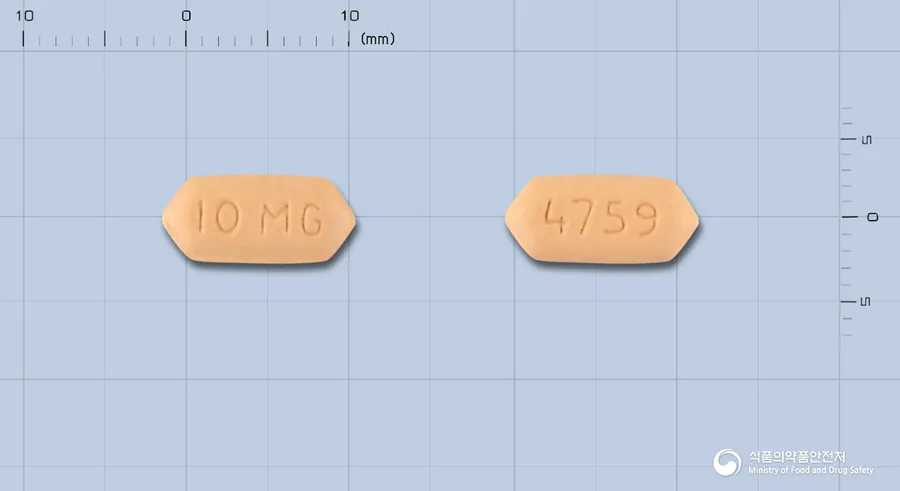
- 모양
- 육각형 · 필름코팅정
- 색
- 주황
- 표시(앞/뒤)
- 10MG / 4759
- 크기
- 11.2 × 5.3 mm, 두께 3.6mm
📍 에피언트정10mg 살 수 있는 내 주변 약국
전문의약품은 의사 처방전이 있어야 약국에서 받을 수 있습니다. 재고는 약국에 전화로 확인하세요.
🗺️ 지도에서 찾기🌐 해외(미국) 정보 — 프라수그렐염산염
미국 FDA·NLM 자료 · 2026-10-05 기준이 성분은 한국어 번역이 없습니다(검수 전 자동 번역 게시는 멈춰 두었습니다). 아래는 미국 FDA 원문입니다 — 원문 라벨(DailyMed).
미국에서 쓰이는 곳(적응증)
영어 원문 (미국 FDA 라벨)
Prasugrel tablets is a P2Y 12 platelet inhibitor indicated for the reduction of thrombotic cardiovascular events (including stent thrombosis) in patients with acute coronary syndrome who are to be managed with percutaneous coronary intervention (PCI) as follows: Patients with unstable angina or non-ST-elevation myocardial infarction (NSTEMI) ( 1.1 ). Patients with ST-elevation myocardial infarction (STEMI) when managed with either primary or delayed PCI ( 1.1 ). 1.1 Acute Coronary Syndrome Prasugrel tablet is indicated to reduce the rate of thrombotic cardiovascular (CV) events (including stent thrombosis) in patients with acute coronary syndrome (ACS) who are to be managed with percutaneous coronary intervention (PCI) as follows: Patients with unstable angina (UA) or non-ST-elevation myocardial infarction (NSTEMI). Patients with ST-elevation myocardial infarction (STEMI) when managed with primary or delayed PCI. Prasugrel tablet has been shown to reduce the rate of a combined endpoint of cardiovascular death, nonfatal myocardial infarction (MI), or nonfatal stroke compared to clopidogrel. The difference between treatments was driven predominantly by MI, with no difference on strokes and little difference on CV death [see Clinical Studies ( 14 )] .
⚠️ 박스 경고(가장 강한 경고)
영어 원문 (미국 FDA 라벨)
WARNING: BLEEDING RISK Prasugrel tablets can cause significant, sometimes fatal, bleeding [see Warnings and Precautions ( 5.1 , 5.2 ) and Adverse Reactions ( 6.1 )]. Do not use prasugrel tablets in patients with active pathological bleeding or a history of transient ischemic attack or stroke [see Contraindications ( 4.1 , 4.2 )]. In patients ≥ 75 years of age, prasugrel tablets is generally not recommended, because of the increased risk of fatal and intracranial bleeding and uncertain benefit, except in high-risk situations (patients with diabetes or a history of prior myocardial infarction [MI]) where its effect appears to be greater and its use may be considered [see Use in Specific Populations ( 8.5 )]. Do not start prasugrel tablets in patients likely to undergo urgent coronary artery bypass graft surgery (CABG). When possible, discontinue prasugrel tablets at least 7 days prior to any surgery. [see Warnings and Precautions ( 5.2 )]. Additional risk factors for bleeding include: body weight <60 kg; propensity to bleed; concomitant use of medications that increase the risk of bleeding (e.g., warfarin, heparin, fibrinolytic therapy, chronic use of non-steroidal anti-inflammatory drugs [NSAIDs]) [see Warnings and Precautions ( 5.1 )]. Suspect bleeding in any patient who is hypotensive and has recently undergone coronary angiography, percutaneous coronary intervention (PCI), CABG, or other surgical procedures in the setting of Prasugrel tablets [see Warnings and Precautions …
쓰면 안 되는 경우
영어 원문 (미국 FDA 라벨)
Active pathological bleeding ( 4.1 ) Active pathological bleeding ( 4.1 ) Prior transient ischemic attack or stroke ( 4.2 ) Hypersensitivity to prasugrel or any component of the product ( 4.3 ) 4.1 Active Bleeding Prasugrel tablet is contraindicated in patients with active pathological bleeding such as peptic ulcer or intracranial hemorrhage (ICH) [see Warnings and Precautions ( 5.1 ) and Adverse Reactions ( 6.1 )] . 4.2 Prior Transient Ischemic Attack or Stroke Prasugrel tablet is contraindicated in patients with a history of prior transient ischemic attack (TIA) or stroke. In TRITON-TIMI 38 ( TR ial to Assess I mprovement in T herapeutic Outcomes by O ptimizing Platelet Inhibitio N with prasugrel), patients with a history of TIA or ischemic stroke (>3 months prior to enrollment) had a higher rate of stroke on prasugrel tablets (6.5%; of which 4.2% were thrombotic stroke and 2.3% were intracranial hemorrhage [ICH]) than on clopidogrel (1.2%; all thrombotic). In patients without such …
주요 경고·주의
영어 원문 (미국 FDA 라벨)
CABG-related bleeding: Risk increases in patients receiving prasugrel tablets who undergo CABG ( 5.2 ). CABG-related bleeding: Risk increases in patients receiving prasugrel tablets who undergo CABG ( 5.2 ). Discontinuation of prasugrel tablets: Premature discontinuation increases risk of stent thrombosis, MI, and death ( 5.3 ). Thrombotic thrombocytopenic purpura (TTP): TTP has been reported with prasugrel tablets ( 5.4 ). Hypersensitivity: Hypersensitivity including angioedema has been reported with prasugrel tablets including in patients with a history of hypersensitivity reaction to other thienopyridines ( 5.5 ). 5.1 General Risk of Bleeding Thienopyridines, including prasugrel tablets, increase the risk of bleeding. With the dosing regimens used in TRITON-TIMI 38, TIMI (Thrombolysis in Myocardial Infarction) Major (clinically overt bleeding associated with a fall in hemoglobin ≥5 g/dL, or intracranial hemorrhage) and TIMI Minor (overt bleeding associated with a fall in hemoglobin of ≥3 g/dL but <5 g/dL) bleeding events were more common on prasugrel tablets than on clopidogrel [see Adverse Reactions (6.1)] . The bleeding risk is highest initially, as shown in Figure 1 (events through 450 days; inset shows events through 7 days). Figure 1: Non-CABG-Related TIMI Major or Minor Bleeding Events. Suspect bleeding in any patient who is hypotensive and has recently undergone coronary angiography, PCI, CABG, or other surgical procedures even if the patient does not have overt …
임신·특수 환자
영어 원문 (미국 FDA 라벨)
8.1 Pregnancy Risk Summary There are no data with prasugrel tablets use in pregnant women to inform a drug-associated risk. No structural malformations were observed in animal reproductive and developmental toxicology studies when rats and rabbits were administered prasugrel during organogenesis at doses of up to 30 times the recommended therapeutic exposures in humans [see Data ]. Due to the mechanism of action of prasugrel tablets, and the associated identified risk of bleeding, consider the benefits and risks of prasugrel tablets and possible risks to the fetus when prescribing Prasugrel tablets to a pregnant woman [see Boxed Warning , and Warnings and Precautions ( 5.1 , 5.3 )]. The …
미국 제품명 Effient
미국 부작용 보고(FAERS)에 많이 나온 증상
미국 FDA에 접수된 이 성분 관련 보고 12,432건 가운데 많이 적힌 증상입니다. 보고 수는 약 때문이라는 증거가 아니며, 많이 쓰는 약일수록 많아집니다. 증상 이름의 한국어는 AI 번역(참고용)이라 영어 원어를 함께 적었습니다.
- 1 심근경색myocardial infarction676
- 2 CHEST PAIN550
- 3 호흡 곤란dyspnoea546
- 4 위장관 출혈gastrointestinal haemorrhage534
- 5 출혈haemorrhage510
- 6 CONTUSION450
- 7 적응증 외 사용off label use418
- 8 피로fatigue404
- 9 오심nausea404
- 10 어지러움dizziness381
- 11 약효 없음drug ineffective325
- 12 ACUTE MYOCARDIAL INFARCTION318
미국 리콜 기록
FDA 리콜(회수) 기록 5건 중 최근 5건 — 특정 회사·제조번호 제품의 회수로, 국내 제품과는 관계없을 수 있습니다.
- 2026.09.09 · 2등급 · Mylan Pharmaceuticals Inc Failed Dissolution Specifications; product failed to meet 18-month stability testing acceptance criteria
- 2026.09.09 · 2등급 · Golden State Medical Supply Inc. Failed Dissolution Specifications. Notification from the manufacturer that lot is being recalled due to failed dissolution
- 2025.03.26 · 2등급 · MYLAN PHARMACEUTICALS INC Failed Dissolution Specifications - low dissolution results
- 2025.03.26 · 2등급 · Golden State Medical Supply Inc. Failed Dissolution Specifications
- 2019.11.06 · 2등급 · Mylan Pharmaceuticals Inc. Failed Dissolution Specification: Low out of specification dissolution results.
출처: 미국 FDA openFDA(라벨·FAERS·리콜), 미국 국립의학도서관 RxNorm · DailyMed 원문 라벨. 한국어는 오픈드럭 서버 AI(gemma)가 자동 번역한 참고용(사람 검수 전)으로 오역이 있을 수 있으니 반드시 원문을 확인하세요.
허가 정보
- 품목기준코드
- 201004754
- 허가 구분
- 허가 · 완제의약품
- 상태
- 정상
- 저장 방법
- 기밀용기, 실온보관(1-30℃)보관
- 사용 기간
- 제조일로부터 36 개월
- 포장 단위
- 30정 (6정/PTPX5)/카톤
- ATC 코드
- B01AC22
- 보험 코드
- 680900220
- 표준코드
- 8806708009701, 8806708009718, 8806809002205, 8806809002212
- 최근 변경
- 2019.05.02
허가 변경 이력
- · 사용상주의사항변경(부작용포함), 2019-05-02
- · 저장방법 및 유효기간(사용기간)변경, 2018-11-23
- · 사용상주의사항변경(부작용포함), 2017-06-30
- · 효능효과변경, 2014-07-16
- · 용법용량변경, 2014-07-16
- · 사용상주의사항변경(부작용포함), 2014-07-16
- · 사용상주의사항변경(부작용포함), 2011-10-20
- · 효능효과변경, 2011-04-12
원문: 식약처 의약품안전나라