

시롤리무스분산용액
Sirolimus Dispersion Solution
원료 코드 M259798 국내 제품 3개 (단일제 3 · 복합제 0) DUR 성분 D001082
🌐 미국 FDA 자료(영문 라벨·부작용 보고·리콜)가 있습니다. 한국어는 AI 번역 참고용이니 원문을 함께 확인하세요. 해외 정보 보기
⚠️ DUR 안전사용 기준
- 🤰 임부금기 2등급 동물실험에서 태아독성 보고(당의정)
- ⚖️ 용량주의 하루 최대 시롤리무스 40밀리그램 (정제)
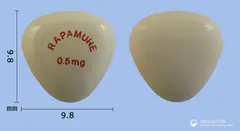
이 성분만 든 제품 (단일제 3)


광고
병용금기 성분 (5)
아래 성분이 든 약과 함께 쓰면 안 됩니다 (식약처 DUR).
🌐 해외(미국) 정보 — 시롤리무스분산용액
미국 FDA·NLM 자료 · 2026-10-03 기준이 성분은 한국어 번역이 없습니다(검수 전 자동 번역 게시는 멈춰 두었습니다). 아래는 미국 FDA 원문입니다 — 원문 라벨(DailyMed).
mTOR Inhibitor Immunosuppressant [EPC]Kinase Inhibitor [EPC]
미국에서 쓰이는 곳(적응증)
영어 원문 (미국 FDA 라벨)
Sirolimus is an mTOR inhibitor immunosuppressant indicated for the prophylaxis of organ rejection in patients aged ≥13 years receiving renal transplants: Patients at low-to moderate-immunologic risk: Use initially with cyclosporine (CsA) and corticosteroids. CsA withdrawal is recommended 2 to 4 months after transplantation ( 1.1 ). Patients at high-immunologic risk: Use in combination with CsA and corticosteroids for the first 12 months following transplantation (1.1) . Safety and efficacy of CsA withdrawal has not been established in high risk patients ( 1.1 , 1.2 , 14.3 ). Sirolimus is an mTOR inhibitor indicated for the treatment of patients with lymphangioleiomyomatosis ( 1.3 ). 1.1 Prophylaxis of Organ Rejection in Renal Transplantation Sirolimus tablets are indicated for the prophylaxis of organ rejection in patients aged 13 years or older receiving renal transplants. In patients at low- to moderate-immunologic risk , it is recommended that sirolimus tablets be used initially in a regimen with cyclosporine and corticosteroids; cyclosporine should be withdrawn 2 to 4 months after transplantation [see Dosage and Administration ( 2.2 ) ]. In patients at high-immunologic risk (defined as Black recipients and/or repeat renal transplant recipients who lost a previous allograft for immunologic reason and/or patients with high panel-reactive antibodies [PRA; peak PRA level > 80%]), it is recommended that sirolimus tablets be used in combination with cyclosporine and …
⚠️ 박스 경고(가장 강한 경고)
영어 원문 (미국 FDA 라벨)
WARNING: IMMUNOSUPPRESSION, USE IS NOT RECOMMENDED IN LIVER OR LUNG TRANSPLANT PATIENTS Increased susceptibility to infection and the possible development of lymphoma and other malignancies may result from immunosuppression Increased susceptibility to infection and the possible development of lymphoma may result from immunosuppression. O nly physicians experienced in immunosuppressive therapy and management of renal transplant patients should use sirolimus for prophylaxis of organ rejection in patients receiving renal transplants. Patients receiving the drug should be managed in facilities equipped and staffed with adequate laboratory and supportive medical resources. The physician responsible for maintenance therapy should have complete information requisite for the follow-up of the patient [see Warnings and Precautions ( 5.1 ) ]. The safety and efficacy of sirolimus as immunosuppressive therapy have not been established in liver or lung transplant patients, and therefore, such use is not recommended [see Warnings and Precautions ( 5.2 , 5.3 ) ]. Liver Transplantation — Excess Mortality, Graft Loss, and Hepatic Artery Thrombosis (HAT) The use of sirolimus in combination with tacrolimus was associated with excess mortality and graft loss in a study in de novo liver transplant patients. Many of these patients had evidence of infection at or near the time of death. In this and another study in de novo liver transplant patients, the use of sirolimus in combination with …
쓰면 안 되는 경우
영어 원문 (미국 FDA 라벨)
Sirolimus tablets are contraindicated in patients with a hypersensitivity to sirolimus [see Warnings and Precautions ( 5.4 ) ]. Hypersensitivity to sirolimus (4) .
주요 경고·주의
영어 원문 (미국 FDA 라벨)
Hypersensitivity Reactions (5.4) Angioedema (5.5) Fluid Accumulation and Impairment of Wound Healing (5.6) Hyperlipidemia (5.7) Decline in Renal Function (5.8) Proteinuria (5.9) Latent Viral Infections (5.10) Interstitial Lung Disease/Non-Infectious Pneumonitis (5.11) De Novo Use Without Cyclosporine (5.12) Increased Risk of Calcineurin Inhibitor-Induced. Hemolytic Uremic Syndrome/ Thrombotic Thrombocytopenic Purpura/ Thrombotic Microangiopathy (5.13) Embryo-Fetal Toxicity: Can cause fetal harm. Use of highly effective contraception is recommended for females of reproductive potential during treatment and for 12 weeks after final dose of sirolimus ( 5.15 , 8.1 ) Male Infertility: Azoospermia or oligospermia may occur ( 5.16 , 13.1 ) Immunizations: Avoid live vaccines ( 5.19 ) 5.1 Increased Susceptibility to Infection and the Possible Development of Lymphoma Increased susceptibility to infection and the possible development of lymphoma and other malignancies, particularly of the skin, may result from immunosuppression. The rates of lymphoma/lymphoproliferative disease observed in Studies 1 and 2 were 0.7 to 3.2% (for sirolimus-treated patients) versus 0.6 to 0.8% (azathioprine and placebo control) [see Adverse Reactions (6.1) and (6.2) ]. Oversuppression of the immune system can also increase susceptibility to infection, including opportunistic infections such as tuberculosis, fatal infections, and sepsis. Only physicians experienced in immunosuppressive therapy and …
임신·특수 환자
영어 원문 (미국 FDA 라벨)
8.1 Pregnancy Risk Summary Based on animal studies and the mechanism of action, sirolimus can cause fetal harm when administered to a pregnant woman [see Data , Clinical Pharmacology ( 12.1 ) ]. There are limited data on the use of sirolimus during pregnancy; however, these data are insufficient to inform a drug-associated risk of adverse developmental outcomes. In animal studies, sirolimus was embryo/fetotoxic in rats at sub-therapeutic doses [ see Data ]. Advise pregnant women of the potential risk to a fetus. The estimated background risk of major birth defects and miscarriage for the indicated population is unknown. In the U.S. general population, the estimated background risk of major …
미국 제품명 HYFTOR
미국 부작용 보고(FAERS)에 많이 나온 증상
미국 FDA에 접수된 이 성분 관련 보고 13,367건 가운데 많이 적힌 증상입니다. 보고 수는 약 때문이라는 증거가 아니며, 많이 쓰는 약일수록 많아집니다. 증상 이름의 한국어는 AI 번역(참고용)이라 영어 원어를 함께 적었습니다.
- 1 적응증 외 사용off label use2,055
- 2 약효 없음drug ineffective1,116
- 3 미승인 적응증 사용product use in unapproved indication784
- 4 발열pyrexia524
- 5 설사diarrhoea514
- 6 폐렴pneumonia487
- 7 약물 상호작용drug interaction448
- 8 급성 신장 손상acute kidney injury434
- 9 THROMBOTIC MICROANGIOPATHY376
- 10 TRANSPLANT REJECTION372
- 11 CYTOMEGALOVIRUS INFECTION348
- 12 다양한 물질 독성toxicity to various agents314
미국 리콜 기록
FDA 리콜(회수) 기록 3건 중 최근 3건 — 특정 회사·제조번호 제품의 회수로, 국내 제품과는 관계없을 수 있습니다.
- 2024.05.29 · 3등급(경미) · Dr. Reddy's Laboratories, Inc. Failed Impurities/Degradation Specifications
- 2021.09.29 · 3등급(경미) · American Health Packaging Failed Impurities/Degradation Specifications
- 2016.07.13 · 3등급(경미) · Dr. Reddy's Laboratories, Inc. Failed impurities/degradation: out of specification result for impurity secorapamycin.
출처: 미국 FDA openFDA(라벨·FAERS·리콜), 미국 국립의학도서관 RxNorm · DailyMed 원문 라벨. 한국어는 오픈드럭 서버 AI(gemma)가 자동 번역한 참고용(사람 검수 전)으로 오역이 있을 수 있으니 반드시 원문을 확인하세요.