

염산아미로라이드
Amiloride Hydrochloride
원료 코드 M080372 국내 제품 1개 (단일제 1 · 복합제 0) DUR 성분 D000159
🌐 미국 FDA 자료(영문 라벨·부작용 보고·리콜)가 있습니다. 한국어는 AI 번역 참고용이니 원문을 함께 확인하세요. 해외 정보 보기
⚠️ DUR 안전사용 기준
- 🤰 임부금기 2등급 혈액량 감소, 혈액점도 증가 및 태반혈류량 감소와 관련. 태아와 신생아의 황달, 태아의 골수억제, 혈소판 감소 보고.(정제)
- 🔁 효능군중복 효능군: 혈압강하작용의약품 · K+ sparing 이뇨제
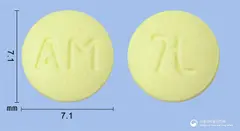
이 성분만 든 제품 (단일제 1)
병용금기 성분 (5)
아래 성분이 든 약과 함께 쓰면 안 됩니다 (식약처 DUR).
🌐 해외(미국) 정보 — 염산아미로라이드
미국 FDA·NLM 자료 · 2026-10-07 기준이 성분은 한국어 번역이 없습니다(검수 전 자동 번역 게시는 멈춰 두었습니다). 아래는 미국 FDA 원문입니다 — 원문 라벨(DailyMed).
미국에서 쓰이는 곳(적응증)
영어 원문 (미국 FDA 라벨)
Amiloride HCl is indicated as adjunctive treatment with thiazide diuretics or other kaliuretic-diuretic agents in congestive heart failure or hypertension to: a. help restore normal serum potassium levels in patients who develop hypokalemia on the kaliuretic diuretic b. prevent development of hypokalemia in patients who would be exposed to particular risk if hypokalemia were to develop, e.g., digitalized patients or patients with significant cardiac arrhythmias. The use of potassium-conserving agents is often unnecessary in patients receiving diuretics for uncomplicated essential hypertension when such patients have a normal diet. Amiloride HCl has little additive diuretic or anti-hypertensive effect when added to a thiazide diuretic. Amiloride HCl should rarely be used alone. It has weak (compared with thiazides) diuretic and antihypertensive effects. Used as single agents, potassium sparing diuretics, including amiloride HCl, result in an increased risk of hyperkalemia (approximately 10% with amiloride). Amiloride HCl should be used alone only when persistent hypokalemia has been documented and only with careful titration of the dose and close monitoring of serum electrolytes.
⚠️ 박스 경고(가장 강한 경고)
영어 원문 (미국 FDA 라벨)
Like other potassium-conserving agents, amiloride may cause hyperkalemia (serum potassium levels greater than 5.5 mEq per liter) which, if uncorrected, is potentially fatal. Hyperkalemia occurs commonly (about 10%) when amiloride is used without a kaliuretic diuretic. This incidence is greater in patients with renal impairment, diabetes mellitus (with or without recognized renal insufficiency), and in the elderly. When amiloride HCl is used concomitantly with a thiazide diuretic in patients without these complications, the risk of hyperkalemia is reduced to about 1-2 percent. It is thus essential to monitor serum potassium levels carefully in any patient receiving amiloride, particularly when it is first introduced, at the time of diuretic dosage adjustments, and during any illness that could affect renal function.
쓰면 안 되는 경우
영어 원문 (미국 FDA 라벨)
Hyperkalemia Amiloride HCl should not be used in the presence of elevated serum potassium levels (greater than 5.5 mEq per liter). Antikaliuretic Therapy or Potassium Supplementation Amiloride HCl should not be given to patients receiving other potassium-conserving agents, such as spironolactone or triamterene. Potassium supplementation in the form of medication, potassium-containing salt substitutes or a potassium-rich diet should not be used with amiloride HCl except in severe and/or refractory cases of hypokalemia. Such concomitant therapy can be associated with rapid increases in serum potassium levels. If potassium supplementation is used, careful monitoring of the serum potassium level is necessary. Impaired Renal Function Anuria, acute or chronic renal insufficiency, and evidence of diabetic nephropathy are contraindications to the use of amiloride HCl. Patients with evidence of renal functional impairment (blood urea nitrogen [BUN] levels over 30 mg per 100 mL or serum …
주요 경고·주의
영어 원문 (미국 FDA 라벨)
Hyperkalemia Like other potassium-conserving agents, amiloride may cause hyperkalemia (serum potassium levels greater than 5.5 mEq per liter) which, if uncorrected, is potentially fatal. Hyperkalemia occurs commonly (about 10%) when amiloride is used without a kaliuretic diuretic. This incidence is greater in patients with renal impairment, diabetes mellitus (with or without recognized renal insufficiency), and in the elderly. When amiloride HCl is used concomitantly with a thiazide diuretic in patients without these complications, the risk of hyperkalemia is reduced to about 1-2 percent. It is thus essential to monitor serum potassium levels carefully in any patient receiving amiloride, particularly when it is first introduced, at the time of diuretic dosage adjustments, and during any illness that could affect renal function. The risk of hyperkalemia may be increased when potassium-conserving agents, including amiloride HCl, are administered concomitantly with an angiotensin-converting enzyme inhibitor, an angiotensin II receptor antagonist, cyclosporine or tacrolimus. (See PRECAUTIONS, Drug Interactions .) Warning signs or symptoms of hyperkalemia include paresthesias, muscular weakness, fatigue, flaccid paralysis of the extremities, bradycardia, shock, and ECG abnormalities. Monitoring of the serum potassium level is essential because mild hyperkalemia is not usually associated with an abnormal ECG. When abnormal, the ECG in hyperkalemia is characterized primarily by …
임신·특수 환자
영어 원문 (미국 FDA 라벨)
Pregnancy Teratogenicity studies with amiloride HCl in rabbits and mice given 20 and 25 times the maximum human dose, respectively, revealed no evidence of harm to the fetus, although studies showed that the drug crossed the placenta in modest amounts. Reproduction studies in rats at 20 times the expected maximum daily dose for humans showed no evidence of impaired fertility. At approximately 5 or more times the expected maximum daily dose for humans, some toxicity was seen in adult rats and rabbits and a decrease in rat pup growth and survival occurred. There are, however, no adequate and well-controlled studies in pregnant women. Because animal reproduction studies are not always …
미국 제품명 GUNA-DIUR
미국 부작용 보고(FAERS)에 많이 나온 증상
미국 FDA에 접수된 이 성분 관련 보고 913건 가운데 많이 적힌 증상입니다. 보고 수는 약 때문이라는 증거가 아니며, 많이 쓰는 약일수록 많아집니다. 증상 이름의 한국어는 AI 번역(참고용)이라 영어 원어를 함께 적었습니다.
- 1 호흡 곤란dyspnoea72
- 2 설사diarrhoea64
- 3 오심nausea54
- 4 구토vomiting46
- 5 낙상fall39
- 6 권태감malaise39
- 7 약물 상호작용drug interaction38
- 8 피로fatigue37
- 9 HYPERKALAEMIA36
- 10 섬망confusional state35
- 11 복통abdominal pain33
- 12 두통headache33
미국 리콜 기록
FDA 리콜 기록이 없습니다.
출처: 미국 FDA openFDA(라벨·FAERS·리콜), 미국 국립의학도서관 RxNorm · DailyMed 원문 라벨. 한국어는 오픈드럭 서버 AI(gemma)가 자동 번역한 참고용(사람 검수 전)으로 오역이 있을 수 있으니 반드시 원문을 확인하세요.