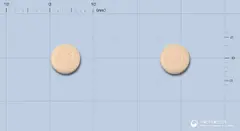
명인피모짓정4mg 효능·효과
광고
명인피모짓정4mg 복용법 (용법·용량)
명인피모짓정4mg 부작용·주의사항
전체 12개 항목 펼치기/접기
1. 경고
2. 다음 환자에는 투여하지 말 것
3. 다음 환자에는 신중히 투여할 것
4. 이상반응
5. 일반적 주의
6. 상호작용
7. 임부 및 수유부에 대한 투여
8. 고령자에 대한 투여
9. 과량투여시의 처치
10. 적용상의 주의
11. 기타
12. 보관 및 취급상의 주의사항
명인피모짓정4mg 성분·함량
1130.0 기준
| 성분 | 영문 | 분량 |
|---|---|---|
| 피모짓 | Pimozide | 4 밀리그램 |
명인피모짓정4mg 낱알 모양 (식별 표시)
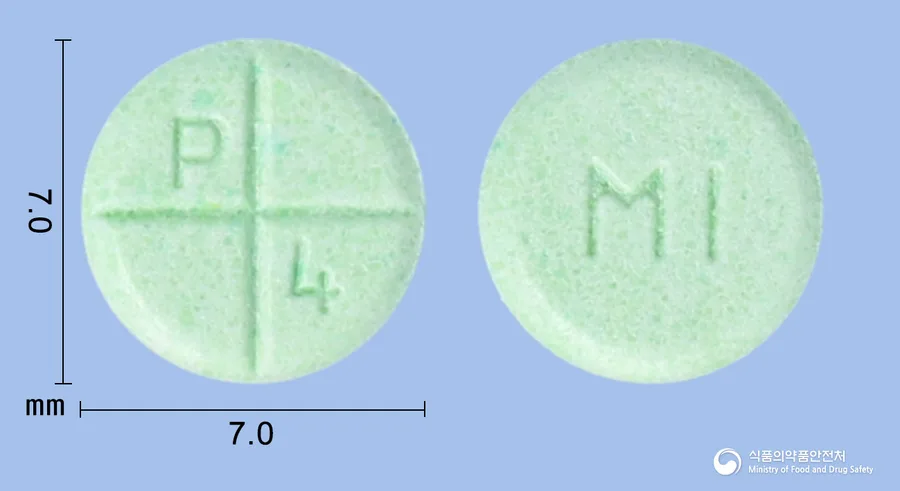
- 모양
- 원형 · 나정
- 색
- 연두
- 표시(앞/뒤)
- P분할선분할선분할선4 / MI
- 분할선
- + / -
- 크기
- 7 × 7 mm, 두께 2.5mm
병용금기 — 함께 쓰면 안 되는 성분 (37)
이 약의 성분과 같이 처방·복용하면 안 되는 성분입니다(식약처 DUR 병용금기). 해당 성분이 든 약을 먹고 있다면 의사·약사에게 알리세요.
| 상대 성분 | 이유 |
|---|---|
| 넬피나비어 | QT연장 및 심실성부정맥 유발 가능 |
| 노르트립틸린 | QT연장 |
| 니르마트렐비르 | - 심장부정맥과 같은 중대한 및/또는 생명을 위협하는 반응의 가능성 |
| 다루나비르 | QT연장 및 심실성부정맥 유발 가능 |
| 돔페리돈 | QTc 연장 효과 증대로 심각한 위험(Torsade de Pointes, 심각한 심실성 부정맥 포함) 가능성 |
| 드로네다론 | QT 간격 연장 |
| 레테르모비르 | QT 연장, 심실성 빈맥, 심실세동 및 torsades de pointes 등 심독성위험 증가 |
| 록시트로마이신 | 심실부정맥(Torsades de pointes 포함)등의 심혈관계 이상반응 |
| 롤라티닙 | Pimozide의 혈중농도가 감소될 수 있음. |
| 리보시클립 | - QT 간격 연장을 유발할 수 있음 |
| 리토나비르 | QT 연장, 심실성 빈맥, 심실세동 및 torsades de pointes 등 심독성위험 증가 |
| 미졸라스틴 | QT 간격 연장 |
| 보리코나졸 | QT 연장, 심실성 빈맥, 심실세동 및 torsades de pointes 등 심독성위험 증가 |
| 설트랄린 | QT 간격 연장 |
| 시탈로프람 | QT간격 연장 |
| 아만타딘 | QT 간격 연장 |
| 아미오다론 | Torsade de pointes 위험 증가 |
| 아미트리프틸린 | QT연장 |
| 아타자나비르 | QT 연장, 심실성 빈맥, 심실세동 및 torsades de pointes 등 심독성위험 증가 |
| 에리트로마이신 | QT연장 등 |
| 에스시탈로프람 | QT 간격 연장 |
| 이미프라민 | QT연장 |
| 이트라코나졸 | QT 간격 연장 및 심실부정맥(Torsade de pointes) 위험 증가 |
| 인디나빌 | QT연장 및 심실성부정맥 유발 가능 |
| 지프라시돈 | QT 간격 연장 |
| 코비시스타트 | QT연장 및 심실성부정맥 유발 가능 |
| 퀴니딘 | QT 연장, 심실성 빈맥, 심실세동 및 torsades de pointes 등 심독성위험 증가 |
| 클래리트로마이신 | pimozide의 혈중농도 상승, QT연장 |
| 텔리트로마이신 | QT 연장, 심실성 빈맥, 심실세동 및 torsades de pointes 등 심독성위험 증가 |
| 토레미펜 | QT 간격 연장 |
| 파록세틴 | QT 간격 연장 |
| 포사코나졸 | QT 간격 연장 |
| 포스아프레피탄트 디메글루민염 | 피모짓의 혈중농도 증가 |
| 플루복사민 | QT 간격 연장 |
| 플루옥세틴 | QT 간격 연장 |
| 플루코나졸 | QT연장 및 심실성부정맥 유발 가능 |
| 할로페리돌 | QT간격 연장 위험 증가 |
📍 명인피모짓정4mg 살 수 있는 내 주변 약국
전문의약품은 의사 처방전이 있어야 약국에서 받을 수 있습니다. 재고는 약국에 전화로 확인하세요.
🗺️ 지도에서 찾기🌐 해외(미국) 정보 — 피모짓
미국 FDA·NLM 자료 · 2026-10-05 기준이 성분은 한국어 번역이 없습니다(검수 전 자동 번역 게시는 멈춰 두었습니다). 아래는 미국 FDA 원문입니다 — 원문 라벨(DailyMed).
Typical Antipsychotic [EPC]
미국에서 쓰이는 곳(적응증)
영어 원문 (미국 FDA 라벨)
Pimozide tablets, USP are indicated for the suppression of motor and phonic tics in patients with Tourette’s Disorder who have failed to respond satisfactorily to standard treatment. Pimozide tablets, USP are not intended as a treatment of first choice nor is it intended for the treatment of tics that are merely annoying or cosmetically troublesome. Pimozide tablets, USP should be reserved for use in Tourette’s Disorder patients whose development and/or daily life function is severely compromised by the presence of motor and phonic tics. Evidence supporting approval of pimozide tablets, USP for use in Tourette’s Disorder was obtained in two controlled clinical investigations which enrolled patients between the ages of 8 and 53 years. Most subjects in the two trials were 12 or older.
쓰면 안 되는 경우
영어 원문 (미국 FDA 라벨)
1. Pimozide is contraindicated in the treatment of simple tics or tics other than those associated with Tourette’s Disorder. 2. Pimozide should not be used in patients taking drugs that may, themselves, cause motor and phonic tics (e.g., pemoline, methylphenidate and amphetamines) until such patients have been withdrawn from these drugs to determine whether or not the drugs, rather than Tourette’s Disorder, are responsible for the tics. 3. Because pimozide prolongs the QT interval of the electrocardiogram it is contraindicated in patients with congenital long QT syndrome, patients with a history of cardiac arrhythmias, patients taking other drugs which prolong the QT interval of the electrocardiogram or patients with known hypokalemia or hypomagnesemia (see also PRECAUTIONS - DRUG INTERACTIONS ). 4. Pimozide is contraindicated in patients with severe toxic central nervous system depression or comatose states from any cause. 5. Pimozide is contraindicated in patients with …
주요 경고·주의
영어 원문 (미국 FDA 라벨)
The use of pimozide in the treatment of Tourette’s Disorder involves different risk/benefit considerations than when antipsychotic drugs are used to treat other conditions. Consequently, a decision to use pimozide should take into consideration the following (see also PRECAUTIONS - Information for Patients ). Tardive Dyskinesia A syndrome consisting of potentially irreversible, involuntary, dyskinetic movements may develop in patients treated with antipsychotic drugs. Although the prevalence of the syndrome appears to be highest among the elderly, especially elderly women, it is impossible to rely upon prevalence estimates to predict, at the inception of antipsychotic treatment, which patients are likely to develop the syndrome. Whether antipsychotic drug products differ in their potential to cause tardive dyskinesia is unknown. Both the risk of developing tardive dyskinesia and the likelihood that it will become irreversible are believed to increase as the duration of treatment and the total cumulative dose of antipsychotic drugs administered to the patient increase. However, the syndrome can develop, although much less commonly, after relatively brief treatment periods at low doses. There is no known treatment for established cases of tardive dyskinesia, although the syndrome may remit, partially or completely, if antipsychotic treatment is withdrawn. Antipsychotic treatment itself, however, may suppress (or partially suppress) the signs and symptoms of the syndrome and …
임신·특수 환자
영어 원문 (미국 FDA 라벨)
Pregnancy: Teratogenic Effects: Reproduction studies performed in rats and rabbits at oral doses up to 8 times the maximum human dose did not reveal evidence of teratogenicity. In the rat, however, this multiple of the human dose resulted in decreased pregnancies and in the retarded development of fetuses. These effects are thought to be due to an inhibition or delay in implantation which is also observed in rodents administered other antipsychotic drugs. In the rabbit, maternal toxicity, mortality, decreased weight gain, and embryotoxicity including increased resorptions were dose-related. Because animal reproduction studies are not always predictive of human response, pimozide should be …
미국 부작용 보고(FAERS)에 많이 나온 증상
미국 FDA에 접수된 이 성분 관련 보고 471건 가운데 많이 적힌 증상입니다. 보고 수는 약 때문이라는 증거가 아니며, 많이 쓰는 약일수록 많아집니다. 증상 이름의 한국어는 AI 번역(참고용)이라 영어 원어를 함께 적었습니다.
- 1 약물 상호작용drug interaction76
- 2 약효 없음drug ineffective48
- 3 PARKINSONISM42
- 4 체중 증가weight increased38
- 5 졸림somnolence33
- 6 적응증 외 사용off label use30
- 7 저혈압hypotension29
- 8 NEUROLEPTIC MALIGNANT SYNDROME29
- 9 DYSTONIA28
- 10 다양한 물질 독성toxicity to various agents26
- 11 ATRIOVENTRICULAR SEPTAL DEFECT23
- 12 증상 악화condition aggravated23
미국 리콜 기록
FDA 리콜 기록이 없습니다.
출처: 미국 FDA openFDA(라벨·FAERS·리콜), 미국 국립의학도서관 RxNorm · DailyMed 원문 라벨. 한국어는 오픈드럭 서버 AI(gemma)가 자동 번역한 참고용(사람 검수 전)으로 오역이 있을 수 있으니 반드시 원문을 확인하세요.
허가 정보
- 품목기준코드
- 198500619
- 허가 구분
- 신고 · 완제의약품
- 상태
- 정상
- 저장 방법
- 기밀용기, 실온보관(1~30℃)
- 사용 기간
- 제조일로부터 36 개월
- 포장 단위
- 30정/병, 100정/병
- ATC 코드
- N05AG02
- 보험 코드
- 651900940
- 표준코드
- 8806519009402, 8806519009419, 8806519009426, 8806519009433
- 최근 변경
- 2023.02.06
허가 변경 이력
- · 사용상의 주의사항, 2023-02-06
- · 저장방법 및 사용(유효)기간, 2023-02-03
- · 성상, 2023-02-03
- · 제품명칭변경, 2018-02-21
- · 사용상주의사항변경(부작용포함), 2016-09-04
- · 사용상주의사항변경(부작용포함), 2014-10-03
- · 사용상주의사항변경(부작용포함), 2012-02-13
- · 사용상주의사항변경(부작용포함), 2010-07-29
- · 사용상주의사항변경(부작용포함), 2010-04-09
- · 사용상주의사항변경(부작용포함), 2010-01-07
- · 사용상주의사항변경(부작용포함), 2009-04-19
- · 사용상주의사항변경(부작용포함), 2008-06-27
- · 사용상주의사항변경(부작용포함), 1998-03-24
- · 용법용량변경, 1998-03-24
- · 효능효과변경, 1998-03-24
- · 사용상주의사항변경(부작용포함), 1995-12-21
- · 사용상주의사항변경(부작용포함), 1992-01-28
- · 사용상주의사항변경(부작용포함), 1991-04-24
- · 용법용량변경, 1991-04-24
- · 사용상주의사항변경(부작용포함), 1990-10-15
- · 사용상주의사항변경(부작용포함), 1990-07-05
원문: 식약처 의약품안전나라